DIY Welding Repairs: When to Call a Professional


Understanding DIY Welding Repairs
Welding is a valuable skill for both amateurs and professionals working on metal projects. Whether you're repairing a broken fence or fixing a car part, DIY welding can be a cost-effective and satisfying way to handle repairs. However, it's crucial to understand when a project is within your skill level and when it's time to call a professional.

Assessing the Complexity of the Repair
Before starting any welding project, assess the complexity and scope of the repair. Simple tasks like fixing a small metal garden structure might be manageable for a DIY welder. However, structural repairs or those involving complex machinery require a deep understanding of welding techniques and safety precautions.
Consider the material type, thickness, and the welding position. These factors can significantly impact the difficulty of the task. If you're unsure about any aspect, it might be wise to consult a professional to avoid costly mistakes.
Safety Considerations
Safety should always be the top priority. Welding involves high temperatures, electricity, and potentially harmful fumes. Ensure you have the appropriate safety gear, including a welding helmet, gloves, and protective clothing. Additionally, work in a well-ventilated area to minimize exposure to fumes.
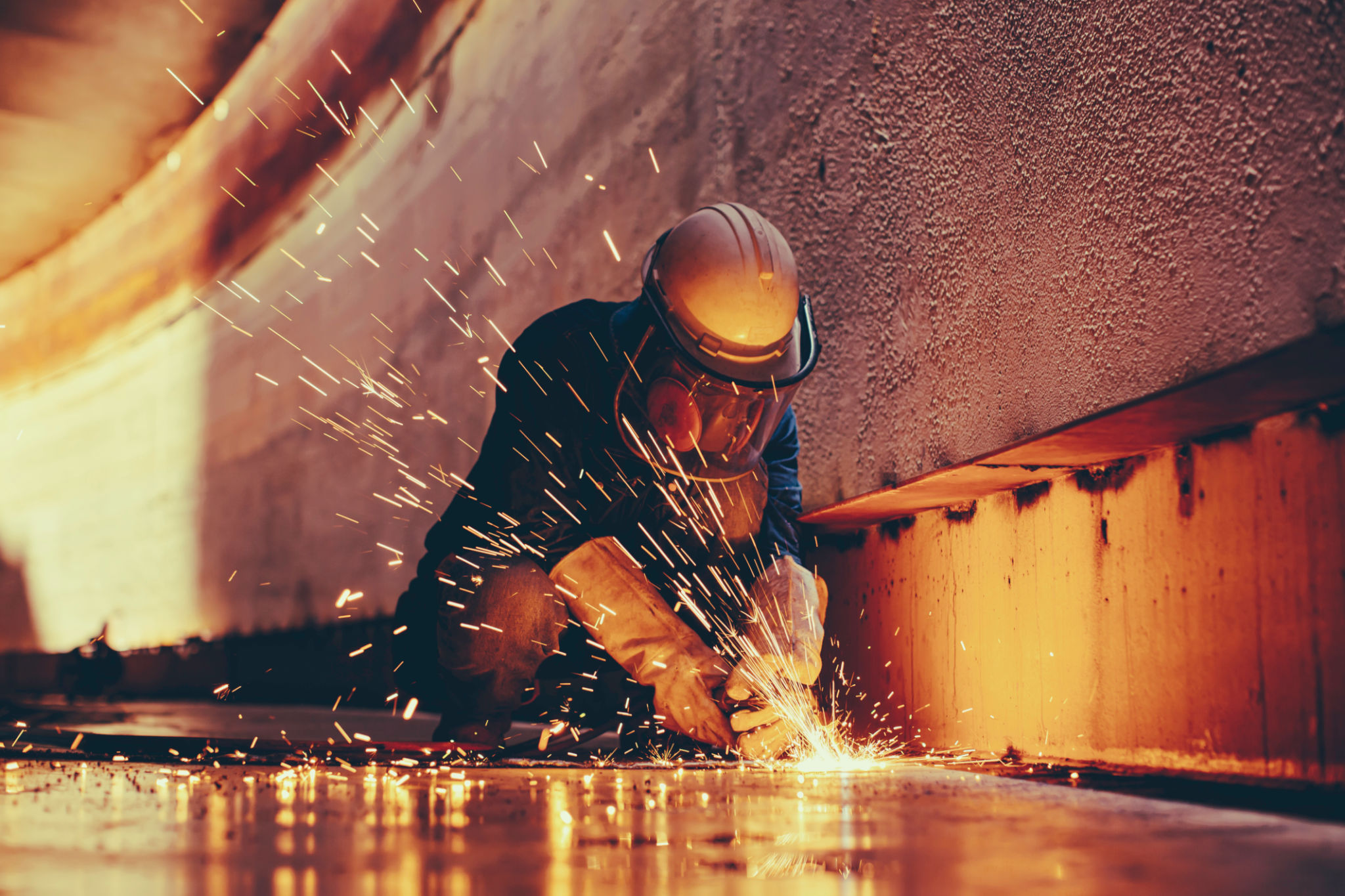
If the project involves hazardous materials or environments, such as flammable gases or confined spaces, it's best to leave the job to a professional who has the necessary training and equipment.
Evaluating Your Skill Level
Honesty about your skill level is crucial in determining whether to proceed with a DIY welding project. Beginners should start with simple projects to build their confidence and skills. Complex repairs, particularly those that impact safety, should be handled by an expert.
Consider taking a welding class or finding a mentor to guide you through more challenging projects. This way, you can learn new techniques and gain confidence in your abilities.

When to Call a Professional
There are several scenarios when calling a professional is advisable:
- Structural Integrity: Repairs that impact the structural integrity of a building or vehicle.
- Specialized Equipment: Projects requiring specialized equipment you don't have access to.
- Complex Material: Working with materials that require specific welding techniques, like aluminum or stainless steel.
In these cases, a professional welder's expertise ensures that the repair is done safely and effectively.
Conclusion
DIY welding repairs can be rewarding but require careful consideration of your skills, safety, and the complexity of the task. By understanding your limitations and knowing when to seek professional help, you can ensure that your projects are successful and safe.
Remember, there's no shame in calling in an expert. Sometimes, it's the best decision for both your safety and the quality of the repair.